Removal boundary
Which structure or portion is under discussion? What needs to remain untouched?
DEMOLITION / GORAKHPUR
Removing a structure is not simply the reverse of building one. The existing property, adjoining buildings, access and connected services all need attention. Begin with a discussion of exactly what is proposed—not a floor-area price or an equipment choice.
Discuss this project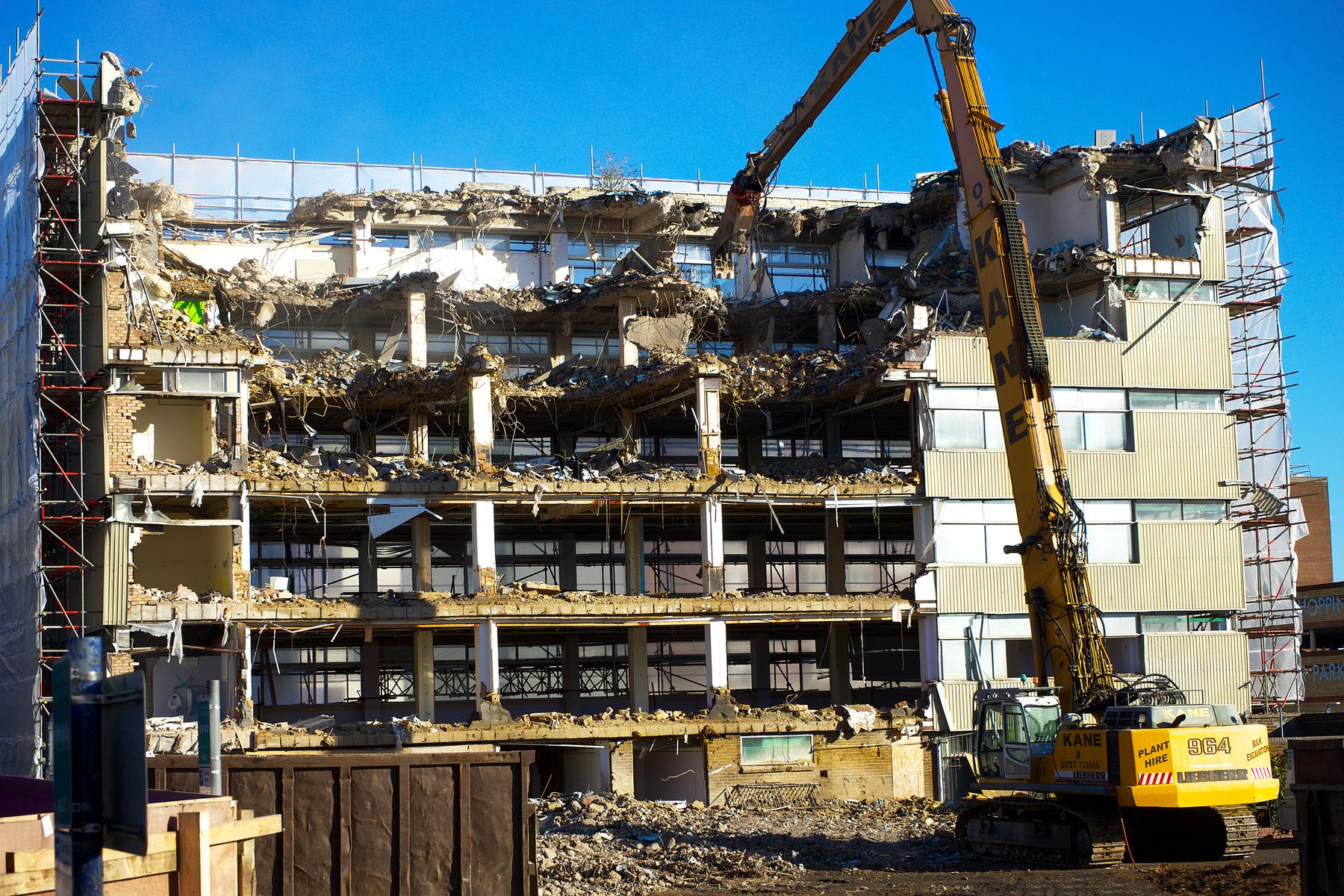
THREE BOUNDARIES TO MAKE EXPLICIT
A discussion framework, not demolition instructions. Never enter an unsafe structure to collect information.
Which structure or portion is under discussion? What needs to remain untouched?
Who confirms assessments, applicable permissions, service disconnections and adjacent-property arrangements?
What debris leaves, what material stays, and what condition is expected at the end?
THE DETAILS WORTH SETTLING EARLY
Identify the proposed limits of removal, retained elements, boundaries and nearby occupied spaces. Photographs are a starting point, not a demolition method. Ask which site assessments and permissions are required before any work can be agreed.
Clarify who coordinates applicable permissions, utility checks and disconnections, professional assessment, protection of adjacent property and site access. Never assume that a service is disconnected or a retained element is unaffected.
Ask what the quote means by debris removal and site clearance. Identify loading, transport, lawful disposal responsibilities, retained materials and the agreed condition of the site afterwards. A cleared-looking photograph is not evidence that a site is ready for new foundations.
PROJECT TYPES / GORAKHPUR
Demolition contract services in Gorakhpur begin with the actual structure, surroundings and scope. An online enquiry does not establish that demolition is appropriate or safe.
State whether the enquiry concerns an entire building or part of an existing home. Identify occupied areas, adjoining properties and the intended next use. Confirm assessment, permissions, utility responsibilities and protection before any work is agreed.
Describe the previous and current use, access, adjoining activity and any records of the building or equipment. Ask who determines the required assessments and specialist arrangements, and how debris and completion responsibilities are recorded.
Bridge demolition is a specialist enquiry, not a standard building-removal package. Confirm whether the business can take on the structure-specific discussion, required authority coordination and qualified specialist responsibilities before assuming availability.
Confirm current availability, deliverables and professional responsibilities for your property. A service name does not establish specialist certification, an approved project or an all-inclusive contract.
BEFORE OUR FIRST CONVERSATION
Based near Khajanchi Chauraha in Gorakhpur. Share your site location so we can confirm whether the project is within the current service area and scope.
Photographs and rough notes can start a discussion. Do not enter unsafe areas to take them or send identity documents in an initial enquiry.
REAL QUESTIONS / DEMOLITION
Area does not describe all the work. The type and condition of the structure, access, neighbouring buildings, extent of removal and debris arrangements influence the scope. Obtain a site-specific assessment and written inclusions.
Partial removal needs assessment of what remains and how it relates to the proposed work. Share the intention, but do not assume a room, wall or floor can be removed independently. Qualified professionals must assess the specific structure.
Do not assume it does. Ask for loading, transport, destination responsibilities, retained or salvaged materials and final site condition to be recorded in the scope.
Not automatically. The new project has its own design, site assessment and applicable permission requirements. Coordinate the demolition brief with the future construction plan rather than treating removal as approval to build.
A LITTLE PREPARATION GOES A LONG WAY
Before repainting or renovating in Gorakhpur, record recurring damp or finish problems, separate assessment from decoration and plan around life at home.
Read the planning note PLANNING / 02Planning a home in Gorakhpur? Prepare plot measurements, a family brief and drawing questions, with official sources for local approval checks.
Read the planning note